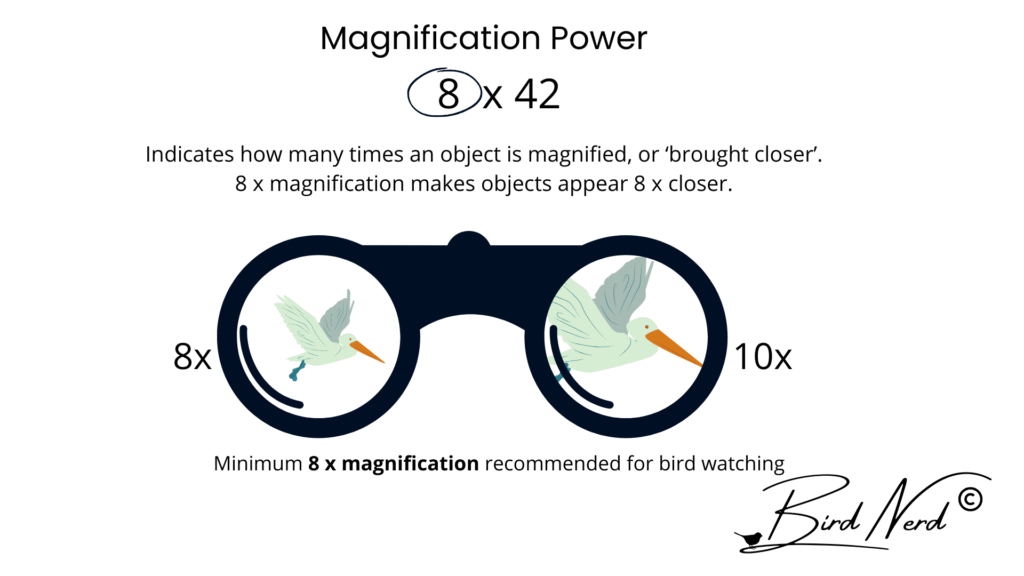
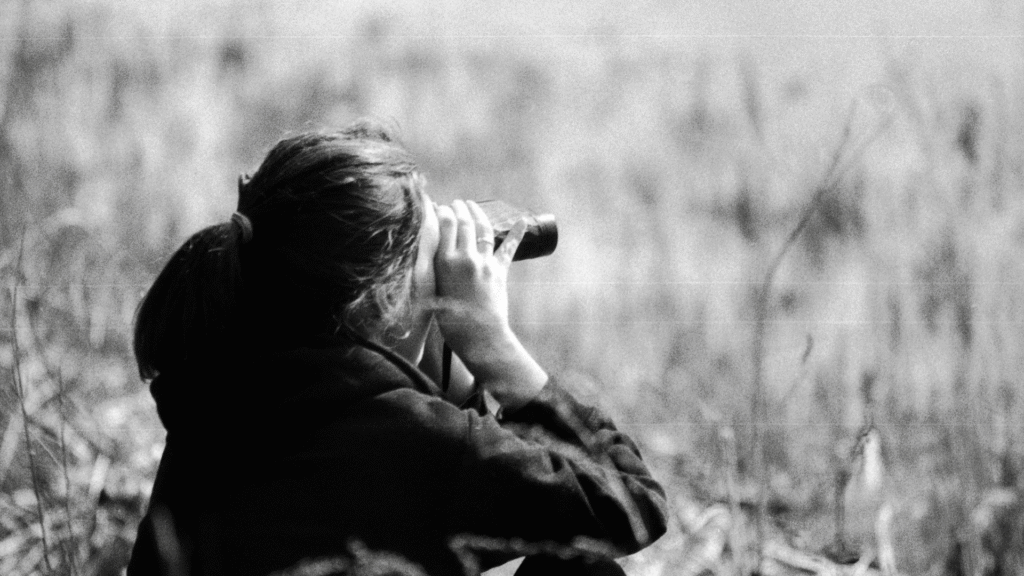
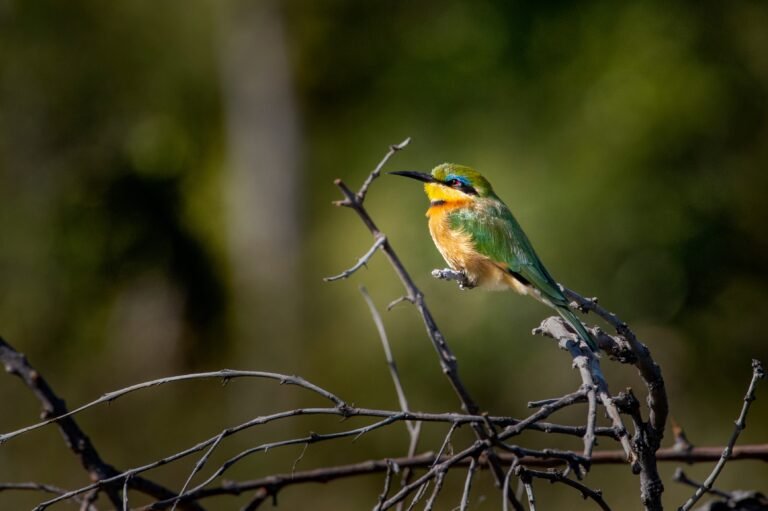
Binoculars are important because they magnify the birds we’re looking at, enabling us to observe more detail than with the naked eye.
Unless you’re into bird photography as well, your pair of binoculars will be the single most expensive item in your birding kit.
Do try and buy the best your budget allows, as it is a long-term investment and a purchase that will last you many years without the need for replacement if you take care.
There are a few things you should consider before making a purchase:
- Magnification
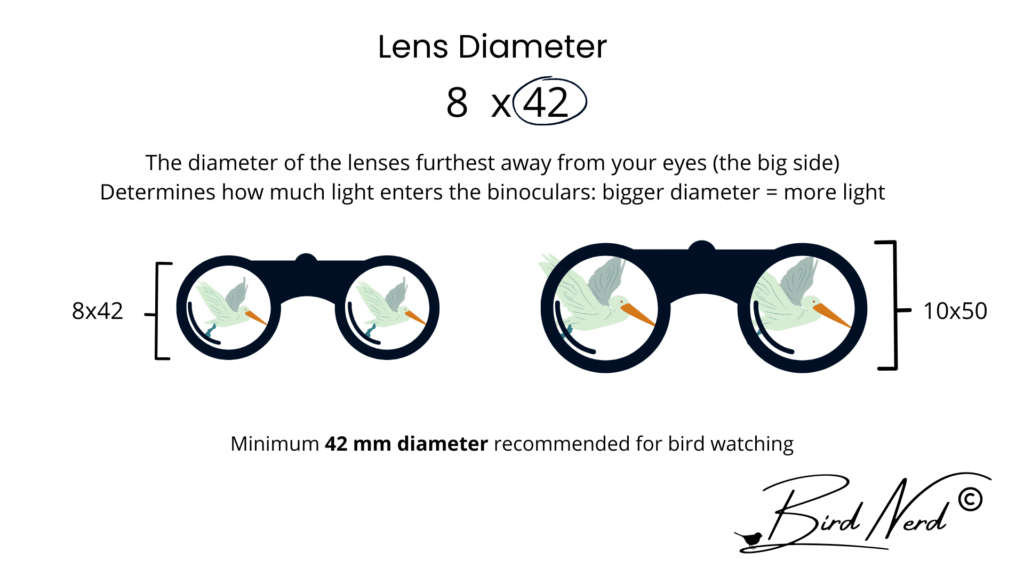
- Lens Diameter
- Lens quality
- Comfort
It may seem obvious that you should choose the highest diameter possible.
Unfortunately, increased diameter comes at a price: increased weight.
While it may seem insignificant, a heavier pair of binoculars can become a burden on a long day out.
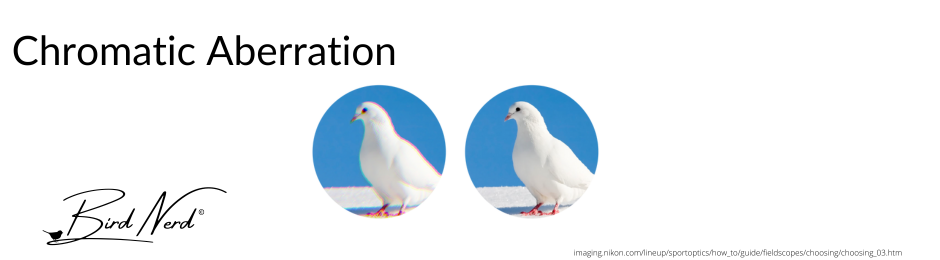
Poor lens quality produces poor visuals, in part due to chromatic aberration as seen on the left: a faint coloured halo or feathering around the subject.
Lens quality is where the difference between budget-level and more expensive binoculars lies.
Higher quality lenses give you clearer and crisper images without straining your eyes too much.
You won’t always be birding in the perfect light, so having binoculars that can handle lower light conditions without compromising image quality can change your birding experience completely.
Being comfortable with your binoculars is incredibly important. You should be able to lift, hold, and adjust without becoming too tired and carry it around without getting a backache. In short, it should be your unmissable friend on your birding trips.
You can add comfort to your gear with a binocular harness that distributes the weight more evenly, or a broader, padded neck strap.
Look out for rubber cups on the eye pieces. These are more comfortable against your face, or can be folded back to accommodate your glasses without scratching them.
Play around and make sure that you can comfortably reach and adjust the focus ring.